
Embark on a journey through the diverse world of roofing materials, uncovering traditional, sustainable, and unique options used globally. This engaging exploration will shed light on the characteristics, historical significance, and cultural influences behind these materials, inviting you to discover the fascinating realm of roofing practices.
Types of Roofing Materials
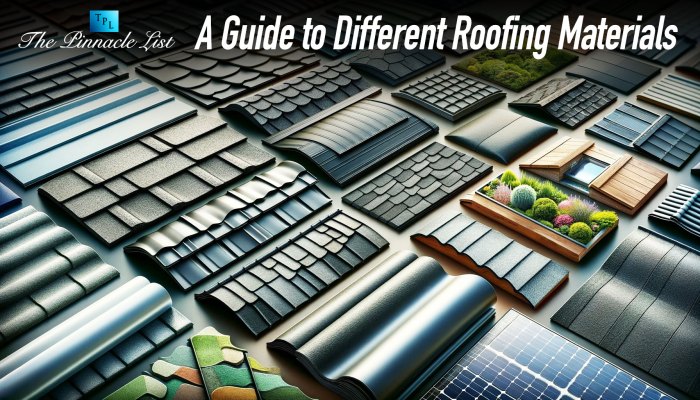
Roofing materials vary across different regions of the world based on factors such as climate, availability of resources, and traditional building practices. Here are some common types of roofing materials used globally:
Thatch
Thatch is a roofing material made from dried plant materials such as straw, water reed, or palm leaves. It is commonly found in regions with a history of agriculture, such as parts of Africa, Europe, and Asia. Thatch roofs provide good insulation and are environmentally friendly, but they require regular maintenance to prevent mold and pests.
Clay Tiles
Clay tiles are popular in regions with warm climates, such as Mediterranean countries and parts of Asia. These tiles are durable, fire-resistant, and energy-efficient. However, they can be heavy and may require additional structural support for installation.
Metal Roofing
Metal roofing is widely used in regions prone to extreme weather conditions, such as North America and Australia. Metal roofs are durable, lightweight, and low-maintenance. They offer good protection against elements like rain, snow, and wind.
Thatched Roof
Thatched roofs are common in regions like parts of Africa, Europe, and Asia. They are made from dried plant materials like straw or palm leaves. Thatched roofs provide good insulation and are environmentally friendly but require regular maintenance.
Concrete Tiles
Concrete tiles are popular in regions with hot climates due to their ability to reflect sunlight and reduce heat absorption. They are durable, fire-resistant, and low-maintenance. Concrete tiles are commonly used in areas like the Mediterranean and parts of Asia.
Traditional Roofing Materials
Traditional roofing materials have been used for centuries in various cultures around the world, each with its own historical significance and unique characteristics. These materials have stood the test of time and continue to be utilized in many regions, even as modern alternatives become more prevalent.
Thatch
Thatch is a traditional roofing material made from dry vegetation such as straw, reeds, or grass. It has been used for centuries in regions like Europe, Africa, and Asia due to its abundance and insulating properties. Thatch roofs are known for their natural aesthetic appeal and eco-friendly nature, blending seamlessly with the surrounding environment.
While thatch may require more maintenance compared to modern roofing materials, its durability and sustainability make it a popular choice in many rural communities.
Wood Shingles
Wood shingles are another traditional roofing material that has been used in cultures like North America and Scandinavia. Typically made from cedar, redwood, or pine, wood shingles offer a rustic charm and natural insulation. While wood shingles may not be as long-lasting as modern alternatives like asphalt shingles, they are biodegradable and renewable, making them an environmentally friendly option for homeowners seeking a traditional look.
Clay Tiles
Clay tiles are a traditional roofing material commonly found in regions like the Mediterranean, Middle East, and Latin America. These tiles are made from natural clay and are known for their durability, fire resistance, and thermal properties. While clay tiles may be more expensive to install initially, they have a long lifespan and require minimal maintenance, making them a cost-effective option in the long run.
Additionally, clay tiles can be recycled and reused, reducing environmental impact compared to non-recyclable roofing materials.
Sustainable Roofing Materials
As the world moves towards sustainable living practices, the use of eco-friendly roofing materials is gaining popularity. These materials not only help reduce the carbon footprint but also offer various environmental benefits.
1
. Recycled Shingles
Recycled shingles are made from recycled materials such as rubber, plastic, or wood fibers. They are durable, energy-efficient, and help in reducing waste in landfills.
2. Solar Tiles
Solar tiles are an innovative roofing material that harnesses solar energy to generate electricity for the building. They are not only sustainable but also help in reducing energy costs over time.
3. Green Roofs
Green roofs are covered with vegetation, which helps in reducing urban heat island effect, improving air quality, and providing insulation. They are not only sustainable but also aesthetically pleasing.
4. Metal Roofs
Metal roofs are highly durable, recyclable, and energy-efficient. They reflect solar heat, reducing the need for air conditioning, and can be recycled at the end of their lifespan.
5. Clay Tiles
Clay tiles are a traditional roofing material that is sustainable due to their natural composition. They are long-lasting, energy-efficient, and recyclable.
Unique Roofing Materials
Throughout the world, there are various unique and unconventional roofing materials used in specific regions. These materials are chosen for a variety of reasons, including availability, durability, insulation properties, and cultural significance. Let's explore some of these unique roofing materials and the reasons behind their use.
Bamboo
Bamboo is a versatile and sustainable material used for roofing in regions like Southeast Asia. Its natural strength and flexibility make it an ideal choice for withstanding tropical climates. Additionally, bamboo is readily available in these areas, making it a cost-effective and eco-friendly option.
In many cultures, bamboo is also a symbol of prosperity and good luck, adding to its cultural significance in roofing.
Seagrass
In coastal regions such as Scandinavia, seagrass is used as a roofing material due to its excellent insulation properties. Seagrass roofs provide natural heat regulation, keeping homes warm in the winter and cool in the summer. The use of seagrass also reflects the connection between the local environment and traditional building practices, showcasing a sustainable approach to construction.
Slate
While slate is not necessarily unique, its use in regions like Wales and parts of the United States stands out for its durability and aesthetic appeal. Slate roofs can last for over a century, making them a long-lasting and low-maintenance option.
The natural beauty of slate also adds to the architectural significance of buildings, contributing to their overall charm and character.
Last Point
In conclusion, the world of roofing materials is a rich tapestry of tradition, innovation, and sustainability. From ancient practices to modern solutions, the variety of materials used worldwide reflects the diverse landscapes and cultures that shape our architectural heritage. As we continue to explore and embrace new technologies, let us remember the timeless artistry and wisdom embedded in the roofs above us.
FAQ Explained
What are some traditional roofing materials?
Examples of traditional roofing materials include thatch, clay tiles, and wooden shingles, each with its own unique history and cultural significance.
Why are sustainable roofing materials gaining popularity?
Sustainable roofing materials are becoming popular due to their environmentally friendly nature, energy efficiency, and long-term cost savings.
What makes a roofing material unique?
Roofing materials are considered unique based on their unconventional use, cultural relevance, or distinctive properties that set them apart from conventional options.