

Exploring the realm of Climate-Resistant Siding Solutions for Coastal Homes, readers are invited into a world of expertise and innovation, promising a reading experience that is informative and original.
Delve into the details of various siding options tailored for coastal environments, ensuring a well-rounded understanding of the topic at hand.
Types of Climate-Resistant Siding
When it comes to selecting siding for coastal homes, it is essential to choose materials that can withstand the harsh weather conditions prevalent in these areas. Let's explore some of the most popular options and their suitability for coastal environments.
Vinyl Siding
Vinyl siding is a common choice for coastal homes due to its affordability and low maintenance requirements. It is resistant to rot, mold, and insect damage, making it a durable option for areas with high humidity and salt exposure. However, vinyl siding may not be as impact-resistant as other materials, and extreme temperatures can cause it to warp or crack over time.
Fiber Cement Siding
Fiber cement siding is known for its exceptional durability and resistance to moisture, making it a popular choice for coastal homes. This type of siding is resistant to rot, fire, and pests, offering long-lasting protection against the elements. While fiber cement siding requires minimal maintenance, it can be more expensive than vinyl and may require professional installation.
Engineered Wood Siding
Engineered wood siding combines wood fibers and resin to create a durable and weather-resistant material for coastal homes. It offers the natural look of wood without the susceptibility to rot or insect damage, making it a versatile option for seaside properties.
Engineered wood siding requires regular maintenance, including painting or staining, to ensure its longevity in coastal environments.In conclusion, each type of climate-resistant siding has its own advantages and considerations when it comes to coastal homes. Homeowners should carefully weigh factors such as durability, maintenance requirements, and budget constraints before choosing the best siding option for their property.
Factors to Consider
When choosing climate-resistant siding for coastal homes, there are several key factors that homeowners should consider to ensure the longevity and durability of their property. Factors such as climate, proximity to the ocean, exposure to saltwater, wind resistance, and impact resistance play a crucial role in determining the most suitable siding options for coastal areas.
Impact of Climate, Proximity to the Ocean, and Exposure to Saltwater
Climate, proximity to the ocean, and exposure to saltwater are significant factors that can greatly impact the performance and lifespan of siding materials. Coastal areas are more prone to harsh weather conditions, high humidity levels, and saltwater exposure, which can accelerate the deterioration of traditional siding materials.
- Climate: The climate in coastal regions is often characterized by high levels of moisture, strong winds, and frequent storms. Choosing siding materials that can withstand these conditions is essential to prevent damage and maintain the structural integrity of the home.
- Proximity to the Ocean: Homes located close to the ocean are exposed to salt spray, which can corrode and degrade certain siding materials over time. Opting for salt-resistant siding options can help mitigate the effects of saltwater exposure and prolong the lifespan of the siding.
- Exposure to Saltwater: Direct exposure to saltwater can cause accelerated deterioration of siding materials, leading to premature failure and costly repairs. Selecting siding products that are specifically designed to resist saltwater corrosion is crucial for coastal homes.
Importance of Wind Resistance and Impact Resistance
Wind resistance and impact resistance are vital considerations when choosing climate-resistant siding for coastal areas, where homes are more susceptible to strong winds, flying debris, and impacts from severe weather events.
- Wind Resistance: Coastal homes are at a higher risk of wind damage due to their exposure to strong coastal winds. Opting for siding materials with high wind resistance ratings can help prevent siding panels from being torn off or damaged during storms.
- Impact Resistance: Impact-resistant siding is essential in coastal areas prone to hurricanes, tropical storms, and other severe weather events that can cause flying debris and impact damage. Choosing siding products that are impact-resistant can help protect the home from costly repairs and structural damage.
Installation Techniques
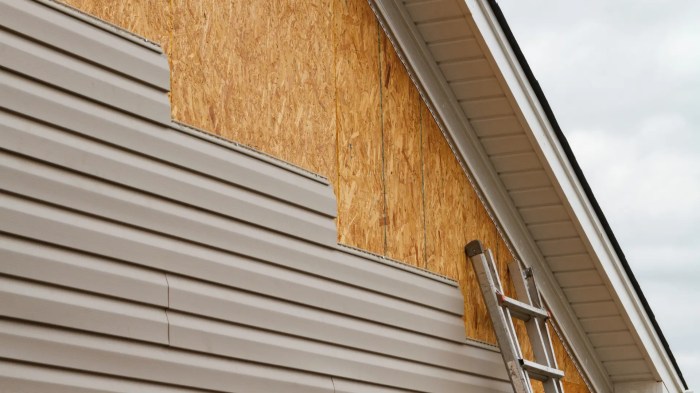
When installing climate-resistant siding on coastal homes, it is crucial to follow best practices to ensure the longevity and effectiveness of the siding. Proper installation techniques can help prevent water intrusion and damage, maintaining the structural integrity of the home.
Proper Sealing of Siding
One of the key aspects of installing climate-resistant siding is to properly seal the siding to prevent water infiltration. This can be achieved by using high-quality sealants and ensuring that all joints and edges are tightly sealed to create a watertight barrier.
Use of Vapor Barriers and Insulation
Another important consideration in coastal siding installations is the use of vapor barriers and insulation. Vapor barriers help prevent moisture from penetrating the siding and entering the wall cavity, reducing the risk of mold and rot. Insulation not only improves energy efficiency but also adds an extra layer of protection against moisture and temperature fluctuations.
Sustainable and Eco-Friendly Options
When it comes to siding options for coastal homes, choosing sustainable and eco-friendly materials can not only provide climate resistance but also minimize the environmental impact of construction. By opting for recycled or sustainable materials, homeowners can make a positive contribution to reducing their carbon footprint and promoting a greener way of living.
Eco-Friendly Siding Materials
- One popular eco-friendly siding option is fiber cement, which is made from a blend of cement, sand, and cellulose fibers. This material is durable, low-maintenance, and resistant to pests, fire, and moisture.
- Another sustainable choice is engineered wood siding, which is manufactured from wood fibers, resins, and wax. It replicates the look of natural wood but requires less maintenance and is more environmentally friendly.
- Recycled plastic or vinyl siding is also a viable option, as it utilizes post-consumer waste to create a durable and weather-resistant material. It helps reduce plastic waste while providing long-lasting protection for coastal homes.
Conclusive Thoughts
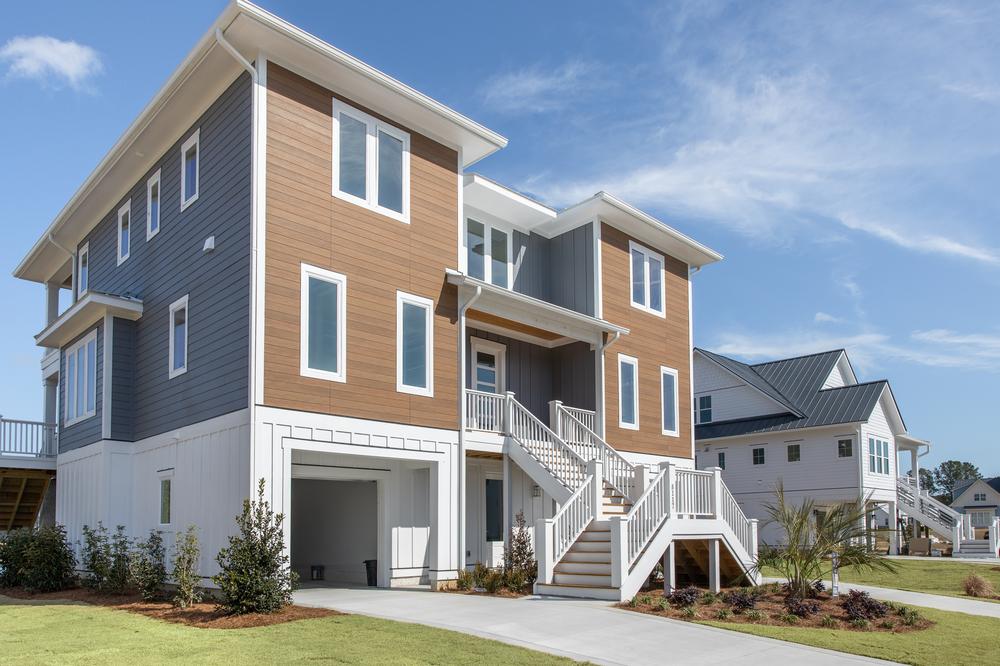
Concluding our discussion on Climate-Resistant Siding Solutions for Coastal Homes, it's evident that durability, sustainability, and resilience play crucial roles in safeguarding coastal properties. Dive into the world of climate-resistant siding with confidence and knowledge.
Clarifying Questions
What factors should homeowners consider when choosing climate-resistant siding?
Homeowners should consider the climate, proximity to the ocean, exposure to saltwater, wind resistance, and impact resistance when selecting siding for coastal homes.
Are there any eco-friendly siding options that are also climate-resistant?
Yes, there are eco-friendly siding materials such as recycled or sustainable options that provide both climate-resistance and environmental benefits for coastal homes.
How important is proper sealing of siding in preventing water damage in coastal environments?
Proper sealing of siding is crucial in coastal areas to prevent water intrusion and subsequent damage, ensuring the longevity and durability of the siding material.