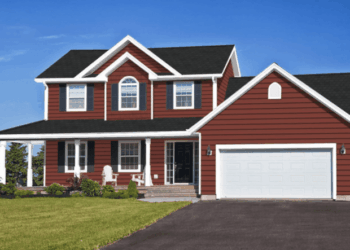

Exploring the world of financing options for roofing and exterior projects opens up a realm of possibilities. From personal loans to contractor financing, each avenue offers unique advantages and drawbacks. Join us on this enlightening journey as we delve into the intricate details of funding your next home improvement project.
Types of Financing Options
When it comes to financing roofing and exterior projects, there are several options available to homeowners. Each option has its own set of advantages and disadvantages, so it's important to understand the differences to make an informed decision.
Personal Loans
Personal loans are a common choice for financing home improvement projects. These loans are unsecured, meaning they do not require collateral. This can be a quick and easy way to access funds for your project. However, interest rates may be higher compared to other financing options.
Home Equity Loans
Home equity loans allow homeowners to borrow against the equity in their home. This type of loan typically offers lower interest rates compared to personal loans. The downside is that your home is used as collateral, so there is a risk of foreclosure if you are unable to repay the loan.
Credit Cards
Using a credit card to finance your roofing or exterior project can be convenient, especially for smaller projects. However, credit card interest rates tend to be higher than other financing options. It's important to pay off the balance quickly to avoid accumulating high interest charges.
Contractor Financing
Some contractors offer financing options to help homeowners fund their projects. This can be a convenient choice as it eliminates the need to work with a separate lender. However, it's crucial to read the terms and conditions carefully, as interest rates and fees may vary.Overall, the best financing option will depend on your individual financial situation and the specifics of your project.
It's recommended to compare the terms and rates of each option before making a decision.
Eligibility Criteria
When it comes to obtaining financing for roofing and exterior projects, there are certain eligibility criteria that homeowners need to meet. These criteria play a crucial role in determining whether an individual qualifies for financing and at what terms.
Typical Eligibility Requirements
- Good Credit Score: Lenders often look at the applicant's credit score to assess their creditworthiness. A higher credit score indicates a lower risk for the lender.
- Stable Income: Having a stable source of income is essential for demonstrating the ability to repay the loan amount.
- Low Existing Debt: Lenders also consider the applicant's existing debt obligations to ensure they can manage additional loan payments.
Improving Qualification Chances
- Improve Credit Score: Paying bills on time, reducing credit card balances, and avoiding new debt can help boost credit scores.
- Increase Income: Showing an increase in income or additional sources of income can strengthen the loan application.
- Reduce Existing Debt: Paying off existing debts can lower the debt-to-income ratio, making the applicant more favorable to lenders.
Common Reasons for Denial
- Low Credit Score: A low credit score may result in denial of financing or approval with higher interest rates.
- Insufficient Income: If the income is not enough to cover the loan payments, lenders may deny the application.
- High Debt Levels: Having a high amount of existing debt can raise concerns about the applicant's ability to take on more debt.
Application Process
When applying for financing for roofing and exterior projects, it is essential to understand the step-by-step process to ensure a smooth application experience. Proper preparation and documentation can help expedite the approval and disbursement of funds.
Preparing Documentation
- Gather all necessary documents such as proof of income, identification, property details, and project estimates.
- Ensure all documents are up-to-date and accurate to avoid delays in the application process.
- Provide any additional information or references that may support your application, such as credit history or project plans.
Application Review Process
- Once you have submitted your application and documentation, the lender will review the information provided.
- Expect the lender to conduct a credit check and assess your eligibility based on the documents submitted.
- During the review process, the lender may request additional information or clarification on certain aspects of your application.
Timelines for Approval and Disbursement
- Approval timelines can vary depending on the lender and the complexity of your application.
- Typically, you can expect to receive a decision within a few days to a few weeks after submitting your application.
- Once approved, funds are usually disbursed shortly after, allowing you to proceed with your roofing or exterior project.
Budgeting and Planning

Creating a detailed budget for roofing and exterior projects is crucial for ensuring the success of your renovation. Proper budgeting allows you to estimate project costs accurately, allocate funds appropriately, and manage your finances effectively throughout the project. Here are some tips to help you navigate the budgeting and planning process:
Estimating Project Costs
- Start by obtaining quotes from multiple contractors to get an idea of the average cost for your project.
- Factor in additional expenses such as permits, materials, labor, and any unforeseen issues that may arise during the renovation.
- Consider setting aside a contingency fund of at least 10-20% of your total budget to cover unexpected costs.
Allocating Funds Appropriately
- Divide your budget into categories such as materials, labor, permits, and contingency to ensure each aspect of the project is accounted for.
- Prioritize essential expenses and allocate funds accordingly to avoid overspending in one area and neglecting another.
- Regularly review your budget and make adjustments as needed to stay on track with your financial goals.
Managing Project Finances
- Track all expenses and keep detailed records of every transaction related to the project.
- Consider using budgeting apps or software to help you monitor your finances and stay organized throughout the renovation process.
- Communicate openly with your contractor about budget constraints and discuss any changes or deviations from the original plan to avoid financial surprises.
Adjusting for Unexpected Expenses
- Be prepared for unexpected costs by having a contingency fund in place and adjusting your budget as needed.
- If unforeseen expenses arise, prioritize essential repairs or improvements and look for ways to cut costs in other areas to stay within your overall budget.
- Consult with your contractor to explore alternative solutions or materials that may be more cost-effective without compromising quality.
End of Discussion

As we wrap up our discussion on financing options for roofing and exterior projects, it's clear that careful planning and understanding your financial choices are paramount. Whether you're a seasoned homeowner or a first-time renovator, having a solid grasp of these options can make all the difference in turning your dream project into a reality.
Query Resolution
What are the typical eligibility requirements for financing?
Eligibility criteria usually involve factors like credit score, income, and existing debt. Lenders assess these aspects to determine your ability to repay the loan.
How can homeowners improve their chances of qualifying for financing?
Improving credit scores, reducing existing debt, and demonstrating steady income can enhance your eligibility for financing options.
What is the importance of creating a detailed budget for projects?
A detailed budget helps in estimating costs accurately, allocating funds wisely, and managing project finances effectively to avoid surprises.