
As The Future of Smart Roofing Technology takes center stage, this opening passage beckons readers with casual formal language style into a world crafted with good knowledge, ensuring a reading experience that is both absorbing and distinctly original.
Smart roofing technology is revolutionizing the way buildings function, offering a glimpse into a future where roofs are more than just protective coverings. From energy efficiency to sustainability, the advancements in this field are paving the way for a greener and smarter tomorrow.
Overview of Smart Roofing Technology
Smart roofing technology refers to the integration of advanced materials, sensors, and systems into roofing structures to enhance performance, efficiency, and sustainability. By incorporating smart elements, roofs can actively respond to environmental conditions, improve energy efficiency, and even communicate data for monitoring and maintenance purposes.Some examples of smart roofing technology in modern buildings include:
- Solar panels integrated into roofing materials to generate renewable energy.
- Cool roofs designed to reflect sunlight and reduce heat absorption, lowering cooling costs.
- Green roofs with vegetation to improve insulation, reduce stormwater runoff, and enhance aesthetics.
- Smart sensors that monitor temperature, humidity, and structural integrity, providing real-time data for optimal roof management.
The benefits of implementing smart roofing technology are numerous:
- Energy savings through improved insulation, solar energy generation, and reduced cooling needs.
- Extended roof lifespan due to proactive monitoring and maintenance enabled by sensors.
- Enhanced comfort and indoor air quality by regulating temperature and humidity levels.
- Environmental benefits such as reduced carbon footprint and stormwater management.
- Increased property value and marketability with sustainable and efficient roofing solutions.
Components of Smart Roofing Systems
Smart roofing systems consist of various key components that work together to enhance the overall performance of the roof. Each component plays a crucial role in ensuring the efficiency and functionality of the system.
Solar Panels
Solar panels are an essential component of smart roofing systems as they harness sunlight to generate electricity. These panels are typically installed on the roof to capture solar energy and convert it into usable power for the building.
Sensors
Sensors are used to monitor various environmental factors such as temperature, humidity, and weather conditions. These sensors provide real-time data to the smart roofing system, allowing it to adjust and optimize its performance accordingly.
Smart Shingles
Smart shingles are innovative roofing materials embedded with technology that can regulate temperature, provide insulation, and even generate electricity. These shingles are designed to improve energy efficiency and overall sustainability of the roof.
Data Analytics Software
Data analytics software processes the information collected by sensors and other components to provide insights and recommendations for optimizing the smart roofing system. This software helps in making informed decisions to improve the performance of the roof.
Advancements in Smart Roofing Technology
Recent innovations in smart roofing technology have revolutionized the way roofs function, offering improved efficiency and sustainability.
New Materials for Improved Efficiency
New materials such as solar shingles, cool roofs, and green roofs are being used to enhance the efficiency of smart roofs. Solar shingles, for example, integrate solar cells into traditional roofing materials, allowing for energy generation while maintaining a sleek appearance.
Cool roofs are designed to reflect more sunlight and absorb less heat, reducing the need for air conditioning. Green roofs utilize vegetation to provide insulation, absorb rainwater, and reduce urban heat island effects.
Enhanced Sustainability and Environmental Friendliness
- Advancements in smart roofing systems are making them more sustainable by reducing energy consumption and carbon emissions.
- The use of recycled materials in smart roofs is also becoming more prevalent, further contributing to environmental friendliness.
- Smart roofs with integrated sensors and automation systems can optimize energy usage and minimize waste, leading to a more environmentally conscious approach to roofing.
Integration of IoT in Smart Roofing
The Internet of Things (IoT) plays a crucial role in enhancing smart roofing technology by enabling the connection and communication of various devices and sensors within the roofing system.
Examples of IoT Integration in Smart Roofing
- IoT-enabled moisture sensors can be installed in smart roofs to detect leaks or water damage in real-time, sending alerts to homeowners or building managers.
- Smart thermostats integrated with IoT technology can regulate temperature settings based on weather conditions, optimizing energy efficiency.
- IoT-connected cameras can provide live footage of the roof, allowing for remote monitoring and surveillance for security purposes.
Benefits of IoT Connectivity in Smart Roofs
- Remote Monitoring: IoT connectivity allows users to monitor the status of their roof in real-time from anywhere, providing peace of mind and early detection of potential issues.
- Energy Efficiency: By utilizing IoT devices to control heating and cooling systems, smart roofs can optimize energy usage and reduce utility costs.
- Data Collection and Analysis: IoT sensors collect data on various environmental factors affecting the roof, enabling informed decision-making and proactive maintenance.
Energy Efficiency and Cost Savings
Smart roofing technology plays a crucial role in enhancing energy efficiency and reducing costs for building owners. By integrating advanced features and components, smart roofs help in optimizing energy consumption and promoting sustainability.
Energy Efficiency Benefits
- Improved Insulation: Smart roofing systems are designed to enhance insulation, reducing heat loss during winter and minimizing heat gain during summer. This results in lower energy usage for heating and cooling.
- Solar Energy Utilization: Some smart roofs are equipped with solar panels or solar shingles that harness renewable energy from the sun, reducing reliance on traditional energy sources.
- Energy Monitoring and Management: Smart roofing technology often includes sensors and monitoring devices that track energy usage in real-time. This data can help building owners optimize energy consumption and identify areas for improvement.
Cost Savings Examples
Case Study 1: The Empire State Building in New York City implemented a smart roofing system with reflective materials and solar panels, resulting in a 40% reduction in energy costs within the first year of installation.
Case Study 2: A commercial office building in California installed a smart roof with integrated sensors for energy monitoring. By analyzing the data collected, the building owners identified inefficiencies in HVAC systems and lighting, leading to a 15% decrease in energy expenses.
Maintenance and Durability of Smart Roofs
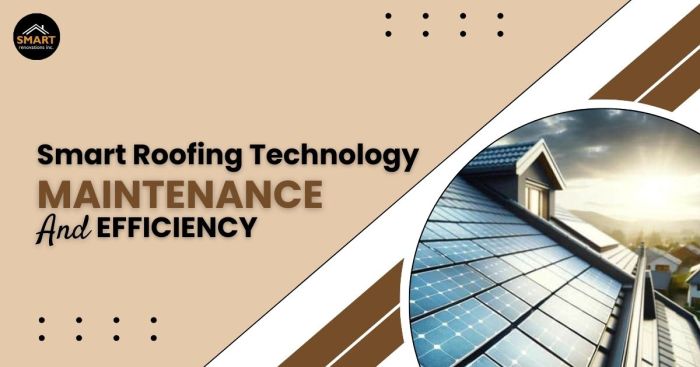
Smart roofing technology plays a significant role in improving the maintenance and durability of roofs. By utilizing advanced sensors and monitoring systems, smart roofs can detect issues early, preventing small problems from turning into costly repairs.
Improved Maintenance
- Smart roofs can continuously monitor the condition of the roof, detecting leaks, cracks, or other issues in real-time.
- Alert systems can notify homeowners or building managers immediately when maintenance or repairs are needed, allowing for prompt action.
- Regular maintenance checks can be automated, ensuring that small problems are addressed before they escalate.
Enhanced Durability
- Smart roofing materials are often more durable and resistant to weather elements compared to traditional roofing systems, prolonging the lifespan of the roof.
- Advanced coatings and sealants used in smart roofs can provide better protection against UV rays, moisture, and other damaging factors.
- Smart roofs are designed to withstand extreme weather conditions, reducing the risk of damage during storms or natural disasters.
Best Practices for Maintenance
- Regularly inspect the roof for any signs of damage, such as loose shingles, cracks, or leaks.
- Clean debris and leaves from the roof to prevent clogging of drainage systems and water pooling.
- Schedule annual inspections by professional roofers to identify and address any potential issues early on.
- Follow manufacturer's guidelines for maintenance and cleaning of smart roofing systems to ensure optimal performance and longevity.
Environmental Impact of Smart Roofing Technology
Smart roofing technology plays a crucial role in promoting environmental sustainability and reducing the carbon footprint in the construction industry. By integrating intelligent systems into roofs, various environmental benefits can be achieved.
Reduced Energy Consumption
Smart roofs help in reducing energy consumption by regulating indoor temperatures more efficiently. By utilizing sensors and automated controls, these roofs can adjust ventilation, heating, and cooling systems based on real-time data, leading to lower energy usage and reduced greenhouse gas emissions.
Stormwater Management
Smart roofing systems are designed to effectively manage stormwater runoff, reducing the strain on municipal drainage systems and preventing water pollution. These roofs can collect and store rainwater for reuse, promoting water conservation and minimizing the impact of urban development on local ecosystems.
Enhanced Air Quality
Through the use of green roofing technologies integrated with smart features, such as air filtration systems and pollutant sensors, smart roofs contribute to improving air quality in urban areas. By filtering pollutants and capturing particulate matter, these roofs help create healthier environments for building occupants and surrounding communities.
Alignment with Green Building Standards
Smart roofing technology aligns with green building standards and certifications, such as LEED (Leadership in Energy and Environmental Design) and Energy Star. By meeting the criteria set forth by these programs, buildings with smart roofs can achieve higher levels of sustainability, energy efficiency, and environmental performance.
Long-Term Sustainability
The durability and longevity of smart roofing systems contribute to long-term sustainability by reducing the need for frequent roof replacements and minimizing construction waste. These roofs are designed to withstand environmental challenges and extreme weather conditions, ensuring continued protection for the building and the environment.
Future Trends and Predictions
As smart roofing technology continues to advance, there are several key trends and predictions that experts believe will shape the future of this industry.
Increased Integration with Renewable Energy Sources
One of the most significant trends expected in the future of smart roofing technology is the increased integration with renewable energy sources. Smart roofs are likely to become even more efficient at harnessing solar power and other renewable energy forms, contributing to a more sustainable and eco-friendly built environment.
Enhanced Connectivity and Automation
In the coming years, smart roofs are predicted to become more interconnected and automated. This means that these systems will be able to communicate with other smart devices in a building, optimizing energy usage, and providing real-time data for improved efficiency and performance.
Innovations in Materials and Design
Future advancements in smart roofing technology are expected to bring about innovations in materials and design. From self-healing materials to customizable designs that blend seamlessly with the aesthetics of a building, the future of smart roofs holds exciting possibilities for both functionality and aesthetics.
Summary
In conclusion, The Future of Smart Roofing Technology holds immense potential to transform the way we think about roofs and buildings. With innovations aimed at efficiency, sustainability, and environmental impact, smart roofing technology is set to play a crucial role in shaping the future of construction and architecture.
Top FAQs
How do smart roofs contribute to energy efficiency?
Smart roofs use sensors and technology to optimize energy consumption, leading to reduced energy waste and lower costs for building owners.
What are the key components of smart roofing systems?
Key components include sensors, weatherproofing materials, and IoT devices that work together to enhance the performance and functionality of the roof.
How do advancements in smart roofing technology make roofs more sustainable?
Advancements such as new materials and IoT integration improve the efficiency of roofs, making them more environmentally friendly and aligned with green building standards.