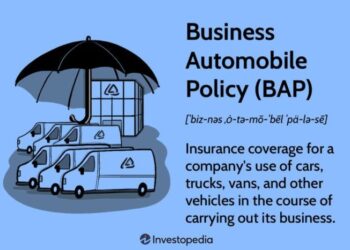

Exploring the depths of What’s Included in a Commercial Auto Policy for Fleet Vehicles opens up a world of crucial information for fleet owners. From coverage types to liability limits, this article delves into the intricacies of commercial insurance, shedding light on the nuances that can make a significant impact on fleet management.
Delving further into the specifics of each coverage type and additional options, readers will gain a deeper understanding of how to protect their fleet vehicles effectively.
Coverage Types
When it comes to a commercial auto policy for fleet vehicles, there are several types of coverage that are crucial to protect both the vehicles and the business. Let's explore the different coverage types and how they benefit fleet owners.
Liability Coverage
Liability coverage is essential in a commercial auto policy as it protects the business from financial loss in case of an accident where the fleet vehicle driver is at fault. This coverage helps pay for damages to other vehicles or property, as well as medical expenses for injured parties.
Collision Coverage
Collision coverage helps cover the cost of repairs or replacement of fleet vehicles in case of a collision with another vehicle or object. This type of coverage is important for fleet owners to ensure their vehicles are protected in case of accidents.
Uninsured/Underinsured Motorist Coverage
This coverage protects fleet owners if one of their vehicles is involved in an accident with a driver who does not have insurance or has insufficient coverage. It helps cover the costs of damages and injuries that the at-fault driver cannot pay for.
Comprehensive Coverage
Comprehensive coverage is significant for fleet vehicles as it provides protection against non-collision incidents such as theft, vandalism, fire, or natural disasters. This coverage ensures that fleet owners are covered for a wide range of risks beyond just accidents.Overall, commercial auto insurance policies for fleet vehicles offer more extensive coverage compared to personal auto insurance policies.
The different types of coverage included in a commercial policy are tailored to the specific needs and risks associated with operating a fleet of vehicles for business purposes.
Liability Limits
When it comes to a commercial auto policy for fleet vehicles, setting appropriate liability limits is crucial to protect the business from financial risks in case of accidents. Fleet owners must carefully consider the potential costs of liability claims and ensure they have adequate coverage in place.
Importance of Liability Limits
Determining liability limits for fleet vehicles involves evaluating the size of the fleet, the types of vehicles, the nature of operations, and the potential risks involved. Insurance providers often offer different options for liability limits based on these factors. It is essential for fleet owners to assess their needs accurately to select the most suitable coverage.
Scenarios Requiring Adequate Liability Limits
- Scenario 1: A fleet vehicle is involved in a major accident resulting in severe injuries to multiple individuals. Without sufficient liability limits, the business could face significant financial losses due to medical expenses, legal fees, and settlements.
- Scenario 2: A fleet vehicle causes extensive property damage to a commercial building. Inadequate liability limits may not cover the full cost of repairs or replacement, leaving the business responsible for the remaining amount.
- Scenario 3: A fleet vehicle is at fault in a collision with a high-end luxury vehicle. Without proper liability limits, the business may struggle to cover the repair or replacement costs of the expensive vehicle.
Comparison of Liability Limits Across Providers
| Insurance Provider | Minimum Liability Limit | Maximum Liability Limit |
|---|---|---|
| Provider A | $100,000 | $500,000 |
| Provider B | $250,000 | $1,000,000 |
| Provider C | $500,000 | $2,000,000 |
Additional Coverage Options
When it comes to insuring fleet vehicles, fleet owners have the option to include additional coverage in their commercial auto policy to enhance protection for their assets. These optional coverages can provide added peace of mind and financial security in case of unexpected events or accidents.
Rental Reimbursement Coverage
Rental reimbursement coverage can be a valuable option for fleet owners, as it helps cover the cost of renting a replacement vehicle while a covered fleet vehicle is being repaired due to a covered loss.
- Provides reimbursement for the cost of renting a temporary replacement vehicle
- Helps minimize downtime and keep operations running smoothly
- Can be a cost-effective solution for fleet owners in case of accidents or breakdowns
Roadside Assistance Coverage
Roadside assistance coverage is another optional add-on that can benefit fleet owners by providing assistance in case of emergencies such as flat tires, dead batteries, or running out of fuel while on the road.
- Offers 24/7 emergency roadside assistance services
- Helps fleet vehicles get back on the road quickly and safely
- Can be a lifesaver for fleet owners and drivers facing unexpected roadside issues
Collision Coverage
Collision coverage is a common optional coverage that fleet owners can consider adding to their policy. This coverage helps pay for damages to fleet vehicles resulting from collisions with other vehicles or objects.
- Covers repair costs for fleet vehicles damaged in a collision
- Provides financial protection in case of accidents that are the fault of the fleet driver
- Can help fleet owners avoid significant out-of-pocket expenses for vehicle repairs
Cost Implications of Adding Optional Coverage
Adding optional coverage to a commercial auto policy for fleet vehicles may result in additional costs for fleet owners. The cost implications will vary depending on the type and extent of coverage selected, as well as factors such as the number of fleet vehicles insured and the driving history of the drivers.
It is important for fleet owners to carefully consider the benefits of optional coverage against the potential costs to determine the most suitable coverage options for their specific needs and budget.
Exclusions
When it comes to a commercial auto policy for fleet vehicles, there are certain exclusions that fleet owners need to be aware of. These exclusions Artikel specific situations or circumstances that the insurance policy will not cover, potentially leaving fleet owners exposed to risks and liabilities if not addressed properly.
Common Exclusions in Commercial Auto Policies
- Intentional acts: Any damages or liabilities resulting from intentional acts, such as fraud or criminal activities, are typically excluded from coverage.
- Racing or competition: Accidents that occur during racing or other competitive events are usually not covered under a commercial auto policy.
- Non-approved drivers: If an accident happens while the vehicle is being driven by someone not listed or authorized on the policy, the damages may not be covered.
- Wear and tear: Normal wear and tear on the vehicle, including mechanical breakdowns, are typically excluded from coverage.
- Illegal activities: Any damages or liabilities resulting from illegal activities conducted using the fleet vehicles are likely to be excluded from the policy.
Impact of Exclusions on Coverage and Liabilities
Exclusions in a commercial auto policy can have a significant impact on the coverage provided and the potential liabilities faced by fleet owners. If an excluded event occurs, the fleet owner may be responsible for all resulting costs, including property damage, medical expenses, and legal fees.
It is crucial for fleet owners to understand these exclusions and take steps to mitigate the associated risks.
How to Mitigate Risks Associated with Exclusions
Fleet owners can mitigate risks associated with policy exclusions by implementing strict safety protocols, providing proper training for drivers, conducting regular vehicle maintenance, and ensuring that all drivers are properly licensed and authorized to operate the fleet vehicles.
Comprehensive Guide on Understanding and Navigating Policy Exclusions
- Review the policy carefully: Fleet owners should thoroughly review their commercial auto policy to understand what is and isn't covered.
- Seek clarification: If there are any uncertainties or confusion regarding policy exclusions, fleet owners should reach out to their insurance provider for clarification.
- Consult with an expert: It may be beneficial for fleet owners to consult with an insurance expert or legal advisor to ensure they are adequately protected against potential exclusions.
- Regular policy review: Policies should be reviewed regularly to ensure they still meet the needs of the fleet and to make any necessary adjustments to coverage.
Outcome Summary
In conclusion, understanding the components of a commercial auto policy for fleet vehicles is paramount for ensuring comprehensive coverage. By grasping the importance of liability limits, exploring additional coverage options, and navigating policy exclusions, fleet owners can safeguard their assets and operations with confidence.
FAQ Overview
What is the significance of comprehensive coverage for fleet vehicles?
Comprehensive coverage provides protection for fleet vehicles against non-collision incidents like theft, vandalism, or natural disasters.
How are liability limits determined for fleet vehicles?
Liability limits are typically determined based on state requirements, the size of the fleet, and the nature of operations.
What are common exclusions in a commercial auto policy for fleet vehicles?
Common exclusions may include intentional acts, racing, or unauthorized use of vehicles.