
Embarking on the journey of crafting a cost-effective commercial auto policy strategy, this introduction aims to draw in the reader with insights and information that set the stage for what's to come.
Delving deeper into the nuances of commercial auto insurance policies, this paragraph will provide a comprehensive overview of key components and crucial details.
Understanding Commercial Auto Insurance
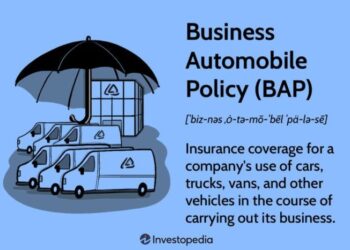
Commercial auto insurance is a crucial component for businesses that rely on vehicles for their operations. Understanding the key components of a commercial auto policy, the importance of having a comprehensive strategy, and the different coverage options available is essential for safeguarding your business.
Key Components of a Commercial Auto Policy
- Liability Coverage: Protects your business from financial loss in case you are at fault in an accident that causes property damage or injuries to others.
- Physical Damage Coverage: Covers the cost of repairing or replacing your vehicles if they are damaged in an accident, regardless of fault.
- Medical Payments Coverage: Helps pay for medical expenses for you and your passengers in case of an accident, regardless of fault.
- Uninsured/Underinsured Motorist Coverage: Protects you in case you are involved in an accident with a driver who does not have insurance or enough insurance to cover your losses.
Importance of a Comprehensive Strategy
Having a comprehensive commercial auto insurance strategy is crucial for protecting your business assets and ensuring financial stability in case of unforeseen events. A well-thought-out policy can help mitigate risks, minimize losses, and keep your operations running smoothly.
Different Coverage Options Available
- Collision Coverage: Covers damages to your vehicle in the event of a collision with another vehicle or object.
- Comprehensive Coverage: Protects your vehicle from non-collision incidents such as theft, vandalism, or natural disasters.
- Rental Reimbursement Coverage: Pays for the cost of a rental vehicle while your commercial vehicle is being repaired due to a covered loss.
- Hired and Non-Owned Auto Coverage: Extends coverage to vehicles that your business rents, leases, or employees use for business purposes but are not owned by the company.
Factors Influencing Cost-Effectiveness
When it comes to creating a cost-effective commercial auto insurance policy, understanding the factors that influence the cost is crucial. These factors can vary from the type of vehicle being insured to the driving history of the employees covered under the policy.
Type of Vehicle and Its Usage
The type of vehicle being insured plays a significant role in determining insurance premiums. Commercial vehicles that are larger or more expensive to repair or replace will generally have higher premiums. Additionally, the usage of the vehicle, such as long-distance hauling versus local deliveries, can also impact costs.
Vehicles that are on the road more frequently are at a higher risk of accidents, leading to higher premiums.
Driving History of Employees
The driving history of employees who will be driving the commercial vehicles covered under the policy is another critical factor. Insurance companies assess the driving records of employees to determine risk. Employees with a history of accidents or traffic violations are considered higher risk and may result in increased premiums.
On the other hand, employees with clean driving records can help lower insurance costs.
Tailoring Policy to Business Needs
Tailoring a commercial auto insurance policy to specific business needs is crucial for ensuring adequate coverage while keeping costs in check. By customizing the policy to fit the unique requirements of the business, companies can optimize their coverage and minimize unnecessary expenses.
Examples of Customizing Policies
- Adding coverage for specialized vehicles used in the business operations, such as refrigerated trucks for transporting perishable goods.
- Adjusting liability limits based on the size and scope of the business to ensure adequate protection in case of accidents.
- Including coverage for hired or non-owned vehicles if the company frequently rents or borrows vehicles for business purposes.
Benefits of Tailoring Policies
- Ensures that the policy aligns with the specific risks faced by the business, providing comprehensive coverage where it is needed most.
- Prevents over-insuring by excluding unnecessary coverage options, thereby reducing premium costs.
- Increases flexibility to make changes to the policy as the business grows or its needs evolve over time.
Tips for Optimizing Coverage
- Regularly review and update the policy to reflect any changes in the business operations or fleet size.
- Consider bundling commercial auto insurance with other business policies to potentially qualify for discounts.
- Work closely with an experienced insurance agent to tailor the policy to the business needs effectively.
Risk Management Strategies
Risk management is a crucial aspect of creating a cost-effective commercial auto policy. By assessing risks and implementing safety measures, businesses can reduce the likelihood of accidents and ultimately lower insurance premiums.
Risk Assessment for Cost-Effective Policy
- Conduct a thorough risk assessment to identify potential hazards and areas of vulnerability.
- Consider factors such as driver experience, vehicle maintenance, and past claim history to determine risk levels.
- Utilize data and analytics to predict and prevent future risks before they occur.
Implementing Safety Measures
- Provide regular training for drivers on safe driving practices and defensive driving techniques.
- Maintain vehicles regularly to ensure they are in optimal condition and reduce the risk of breakdowns.
- Install safety devices such as GPS tracking, dash cams, and automatic braking systems to enhance driver safety.
Efficient Claims Handling
- Establish clear protocols for reporting accidents and filing claims to expedite the process.
- Work closely with insurance providers and adjusters to provide accurate information and documentation promptly.
- Implement a proactive claims management strategy to resolve issues quickly and minimize costs.
Utilizing Technology for Cost Savings
Technology plays a crucial role in reducing insurance costs for commercial auto policies. By utilizing telematics and other advanced technologies, businesses can effectively manage risks and lower their insurance premiums.
Tracking Devices and Policy Pricing
- Tracking devices, such as GPS systems and telematics devices, provide real-time data on driver behavior, vehicle location, and driving patterns.
- Insurance companies can use this data to assess risk more accurately and offer discounts to businesses with safer driving practices.
- By demonstrating responsible driving habits through tracking devices, businesses can negotiate lower premiums based on actual data rather than general risk assessments.
Benefits of Monitoring Driver Behavior
- Utilizing technology to monitor driver behavior can lead to improved safety on the roads, reducing the likelihood of accidents and insurance claims.
- Businesses can identify risky driving habits, such as speeding or harsh braking, and implement training programs to address these behaviors proactively.
- Lower accident rates and improved driver behavior can result in long-term cost savings through reduced insurance premiums and maintenance expenses.
Summary
Wrapping up our discussion on creating a cost-effective commercial auto policy strategy, this final section will tie together key points and leave readers with a lasting impression.
Query Resolution
What factors impact the cost of a commercial auto insurance policy?
The type of vehicle, usage, and driving history of employees are key factors that influence policy costs.
How can businesses customize their commercial auto policies?
Businesses can tailor policies to their specific needs by optimizing coverage while keeping costs in check.
Why is risk assessment important in creating a cost-effective commercial auto policy?
Risk assessment helps in identifying areas for cost savings and implementing safety measures to reduce premiums.
What benefits does utilizing technology offer for cost savings in commercial auto insurance?
Utilizing technology like telematics can help monitor and improve driver behavior, leading to lower insurance costs.