
Best Way Siding and Roofing: Affordable or Overpriced? sets the stage for this enthralling narrative, offering readers a glimpse into a story that is rich in detail with casual formal language style and brimming with originality from the outset.
In this comprehensive guide, we will delve into the world of siding and roofing materials, exploring the various types available and comparing their durability and cost-effectiveness. We will also discuss the factors that affect pricing, the installation processes involved, and the importance of warranties and maintenance for these projects.
Types of Siding and Roofing Materials
When it comes to choosing the right siding and roofing materials for your home, there are several options available, each with its own unique features and benefits.
Siding Materials
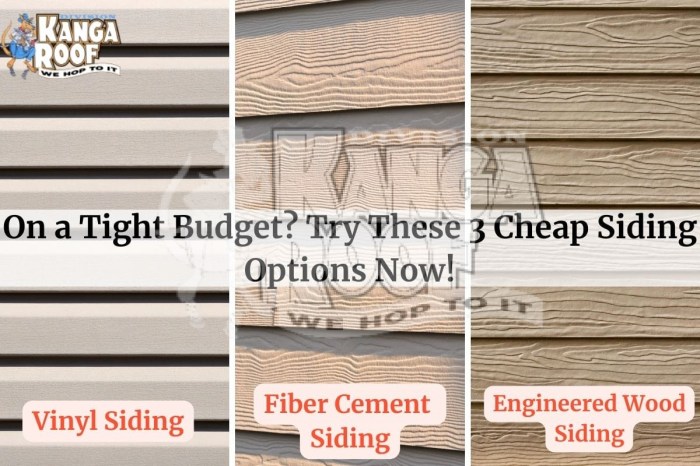
- Vinyl: Vinyl siding is a popular choice due to its affordability and low maintenance requirements. It comes in a variety of colors and styles, making it versatile for different home designs.
- Wood: Wood siding offers a classic and natural look to your home. While it requires more maintenance compared to vinyl, many homeowners appreciate its aesthetic appeal.
- Fiber Cement: Fiber cement siding is a durable and weather-resistant option that can mimic the look of wood or stucco. It is known for its longevity and resistance to rot and pests.
Roofing Materials
- Asphalt Shingles: Asphalt shingles are the most common roofing material due to their affordability and ease of installation. They come in various colors and styles to suit different architectural designs.
- Metal: Metal roofing is known for its durability and longevity. While it may have a higher upfront cost, it can last significantly longer than other materials and is energy-efficient.
- Clay: Clay tiles provide a distinctive and elegant look to a home. They are durable, fire-resistant, and environmentally friendly, making them a popular choice for Mediterranean-style homes.
Factors Affecting Pricing
When it comes to determining the price of siding and roofing, there are several key factors that play a significant role in the overall cost. Understanding these factors can help homeowners make informed decisions and manage their budget effectively.
Material Quality
The quality of the materials used for siding and roofing can have a major impact on the pricing. High-quality materials are often more durable, weather-resistant, and aesthetically pleasing, but they also come at a higher cost. On the other hand, lower-quality materials may be more affordable upfront, but they can result in higher maintenance costs and a shorter lifespan.
- High-quality materials such as premium vinyl siding or architectural shingles are more expensive but offer better performance and longevity.
- Lower-quality materials like basic vinyl siding or three-tab shingles are more budget-friendly but may require frequent repairs or replacements.
Labor Costs
In addition to material quality, labor costs also play a significant role in determining the overall price of siding and roofing projects. Labor costs can vary depending on the region, the complexity of the installation, and the experience of the contractors involved.
Skilled labor usually comes at a higher price, but it can ensure a high-quality installation that lasts for years to come.
- Experienced contractors with a track record of successful projects may charge higher labor costs, but they can deliver superior results.
- Less experienced or amateur contractors may offer lower labor rates, but the quality of work may be compromised, leading to costly repairs in the future.
Size and Complexity of the Roof
The size and complexity of the roof are other factors that can affect the pricing of siding and roofing projects. Larger roofs require more materials and labor, which can drive up the overall cost. Additionally, roofs with complex designs, multiple angles, or intricate details may require additional time and expertise to install properly, further increasing the price.
Roofs with steep slopes, multiple levels, or unique architectural features may require specialized equipment and skills, leading to higher labor costs.
Installation Process
When it comes to installing siding and roofing, the process involves several steps that require precision and expertise to ensure a durable and aesthetically pleasing result.
Installing Siding
- Preparation: The existing siding is removed, and the surface is cleaned and inspected for any damage.
- Moisture Barrier Installation: A moisture barrier is applied to protect the underlying structure from water damage.
- Siding Panels Installation: The siding panels are measured, cut, and installed according to the manufacturer's instructions.
- Trim and Finish Work: Trim pieces are added to the corners, windows, and doors for a polished look.
- Final Inspection: The entire siding installation is inspected for quality and adherence to building codes.
Installing a New Roof
- Roof Preparation: The existing roof is removed, and the decking is inspected for any damage.
- Underlayment Installation: A waterproof underlayment is applied to protect the roof from moisture.
- Shingle Installation: Shingles are laid starting from the bottom edge and working upwards in overlapping layers.
- Flashing and Ventilation: Flashing is added around roof penetrations, and proper ventilation is ensured for the attic space.
- Final Inspection: The completed roof is inspected for quality and durability.
Special Considerations Impacting Installation Cost
- Complexity of Design: Intricate designs or architectural details may require more time and labor.
- Accessibility: Difficult-to-reach areas or steep slopes can increase installation difficulty and cost.
- Material Quality: Higher-quality materials may have a higher installation cost due to increased skill or special tools required.
- Permit Requirements: Some locations may have specific permit requirements that add to the overall installation cost.
Warranty and Maintenance
When it comes to siding and roofing projects, warranties play a crucial role in ensuring the longevity and durability of the materials used. It is essential to understand the importance of warranties and how proper maintenance can impact the overall cost of ownership.
Importance of Warranties
Warranties provide homeowners with peace of mind knowing that in case of any defects or issues with the siding or roofing materials, they are covered for a certain period. This can save homeowners from unexpected repair costs and ensure that the quality of the materials meets industry standards.
Tips on Maintaining Siding and Roofing
- Regular Inspections: Conduct routine inspections to check for any damage, leaks, or signs of wear and tear.
- Cleaning: Keep the siding and roof clean by removing debris, moss, and algae that can cause damage over time.
- Trim Trees: Trim overhanging branches to prevent damage from falling limbs and to avoid excess debris accumulation on the roof.
- Gutter Maintenance: Clean and inspect gutters regularly to ensure proper drainage and prevent water damage.
Impact of Proper Maintenance on Cost of Ownership
By investing time and effort in maintaining your siding and roofing, you can significantly extend their lifespan and reduce the need for costly repairs or replacements. Proper maintenance can help you avoid premature deterioration of materials, ensuring that your siding and roof remain in good condition for years to come.
This proactive approach can ultimately lower the overall cost of ownership by reducing the frequency of repairs and increasing the longevity of your home's exterior.
Final Wrap-Up
In conclusion, Best Way Siding and Roofing: Affordable or Overpriced? sheds light on the intricate balance between cost and quality in the realm of home improvement. Whether you're considering a siding or roofing project, this guide equips you with the knowledge needed to make informed decisions.
FAQ Summary
What are the most common types of siding materials?
The common types include vinyl, wood, and fiber cement. Each has its own advantages and considerations.
How does labor cost influence the overall pricing of siding and roofing projects?
Labor costs play a significant role in determining the final price, as skilled labor is crucial for proper installation.
Why are warranties important for siding and roofing projects?
Warranties provide assurance and protection against defects or issues that may arise after installation, offering peace of mind to homeowners.