
Delve into the intricate details of a Commercial Auto Policy, where the nuances of coverage and protection unfold to safeguard businesses from potential risks. This guide offers a deep dive into the multifaceted world of commercial auto insurance, providing insights that are essential for informed decision-making.
Explore the various components, types of coverage, exclusions, and limitations, as well as the significance of policy limits and deductibles in ensuring comprehensive protection for businesses operating in the realm of commercial vehicles.
Importance of a Commercial Auto Policy
Having a comprehensive commercial auto policy is crucial for businesses that rely on vehicles for their operations. It provides protection and coverage in various scenarios, safeguarding the business from potential financial losses.
Protection Against Accidents and Liability
- Commercial auto policies typically cover damages and injuries resulting from accidents involving company vehicles. This includes medical expenses for injuries to drivers or passengers, as well as liability for damage to third-party vehicles or property.
- Without a proper commercial auto policy, a business could face significant financial liabilities in the event of an accident, potentially leading to legal disputes and costly settlements.
Coverage for Theft and Vandalism
- Commercial auto policies often include coverage for theft and vandalism of company vehicles. This protection ensures that the business does not incur losses due to criminal activities targeting its fleet.
- Without adequate coverage, a business may struggle to recover from the financial impact of stolen or vandalized vehicles, affecting its operations and bottom line.
Legal Compliance and Peace of Mind
- Having a commercial auto policy helps businesses comply with legal requirements for vehicle insurance, avoiding penalties and fines for non-compliance.
- Moreover, knowing that the business assets are protected through a comprehensive policy provides peace of mind to business owners and stakeholders, allowing them to focus on core operations without worrying about potential risks.
Components of a Commercial Auto Policy
When it comes to a commercial auto policy, there are several key components that make up the coverage. Understanding these components is crucial for ensuring effective coverage for your business vehicles.
Liability Coverage
Liability coverage is a fundamental component of a commercial auto policy. It protects your business in case your vehicle is involved in an accident that causes property damage or bodily injury to others. This coverage helps cover the costs associated with legal fees, medical expenses, and property damage.
Physical Damage Coverage
Physical damage coverage includes both collision and comprehensive coverage. Collision coverage helps pay for repairs or replacement of your vehicle if it is damaged in a collision with another vehicle or object. Comprehensive coverage, on the other hand, helps cover damages caused by events such as theft, vandalism, or natural disasters.
Uninsured/Underinsured Motorist Coverage
This component provides protection if your business vehicle is involved in an accident with a driver who does not have insurance or has insufficient coverage. Uninsured/underinsured motorist coverage helps cover medical expenses and property damage that the at-fault driver cannot pay for.
Medical Payments Coverage
Medical payments coverage helps pay for medical expenses for you and your passengers if they are injured in an accident, regardless of who is at fault. This component can help cover hospital bills, surgeries, and other medical costs that result from a car accident.
Additional Coverage Options
In addition to the key components mentioned above, commercial auto policies may offer additional coverage options such as roadside assistance, rental reimbursement, and coverage for electronic equipment. These additional coverages can provide extra protection and peace of mind for your business vehicles.
Importance of Understanding Each Component
It is essential to understand each component of a commercial auto policy to ensure that your business has comprehensive coverage. By knowing what each component covers and its limitations, you can make informed decisions when selecting coverage options. This understanding can help you tailor the policy to meet your business's specific needs and mitigate potential risks effectively.
Types of Coverage Offered
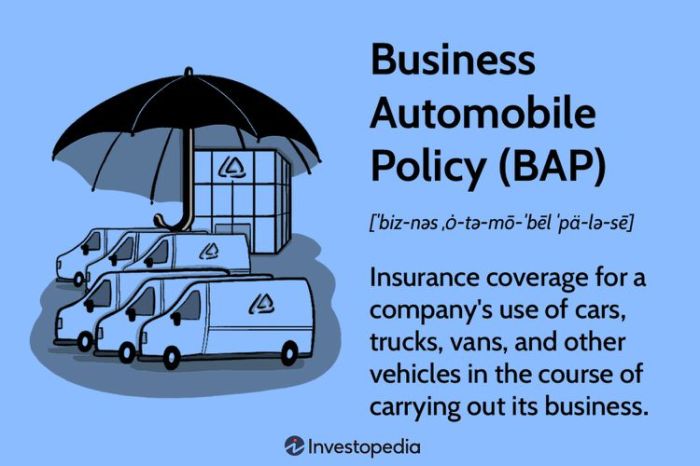
When it comes to a commercial auto policy, there are several types of coverage offered to protect your business vehicles and drivers. Let's compare and contrast the different types of coverage available.
Liability Coverage
Liability coverage is essential in a commercial auto policy as it helps cover costs associated with bodily injury and property damage that your business vehicles may cause to others in an accident. This coverage is required by law in most states and helps protect your business from costly lawsuits.
Collision Coverage
Collision coverage helps pay for repairs or replacement of your business vehicles if they are damaged in a collision with another vehicle or object
Comprehensive Coverage
Comprehensive coverage protects your business vehicles from non-collision related incidents such as theft, vandalism, fire, or natural disasters. This coverage is crucial in ensuring your vehicles are protected in various unforeseen circumstances.
Uninsured/Underinsured Motorist Coverage
This type of coverage comes into play when your business vehicle is involved in an accident with a driver who does not have insurance or lacks sufficient coverage to pay for damages. Uninsured/Underinsured Motorist Coverage helps cover your expenses in such situations.
Rental Reimbursement Coverage
Rental reimbursement coverage helps cover the costs of renting a replacement vehicle while your business vehicle is being repaired after an accident. This coverage ensures that your business operations can continue smoothly even during vehicle repairs.
Exclusions and Limitations
When it comes to commercial auto insurance policies, it's essential to understand the exclusions and limitations that may apply. These are specific situations or conditions where coverage may not be provided or may be restricted.
Common Exclusions and Limitations
Exclusions and limitations in commercial auto policies can vary depending on the insurance provider and the specific policy. However, some common exclusions and limitations include:
- Intentional acts: Coverage may be excluded if the accident or damage was caused intentionally by the driver.
- Racing or illegal activities: Any accidents that occur while the vehicle is being used for racing or illegal activities may not be covered.
- Non-approved drivers: If an unauthorized driver is involved in an accident, coverage may be limited or excluded.
- Wear and tear: Damage caused by regular wear and tear or mechanical breakdowns may not be covered.
Examples of Exclusions and Limitations
For example, if a delivery driver intentionally causes an accident to file a false insurance claim, the intentional act exclusion would apply, and the claim may be denied. Similarly, if a company vehicle is used for an illegal street race and is involved in an accident, coverage may be excluded due to the illegal activities limitation.
Implications for Businesses
These exclusions and limitations can have significant implications for businesses, as they may be left exposed to liabilities and financial losses if certain situations are not covered by their commercial auto policy. It is crucial for businesses to carefully review their policy and understand what is excluded or limited to ensure they have appropriate coverage for their operations.
Understanding Policy Limits and Deductibles
Policy limits and deductibles play a crucial role in a commercial auto policy, determining the extent of coverage and the cost of premiums. Let's delve into how these factors impact your insurance policy.
Policy Limits Explained
Policy limits refer to the maximum amount an insurance company will pay for covered losses in a policy period. It is essential to select appropriate policy limits that adequately protect your business without overpaying for coverage. Higher policy limits typically result in higher premiums but offer greater protection in the event of a claim.
Deductibles and Their Impact
A deductible is the amount the policyholder must pay out of pocket before the insurance coverage kicks in. Choosing a higher deductible can lower your premiums but also means you will have more expenses to cover in the event of a claim.
On the other hand, a lower deductible means higher premiums but less financial burden at the time of a claim.
Choosing the Right Policy Limits and Deductibles
When selecting policy limits and deductibles for your commercial auto policy, consider factors such as your business's risk exposure, financial capabilities, and budget. It's important to strike a balance between adequate coverage and affordability. Consulting with an insurance agent or broker can help you determine the most suitable policy limits and deductibles for your specific business needs.
Last Recap
In conclusion, a Commercial Auto Policy serves as a crucial shield against unforeseen circumstances, offering businesses a safety net that can make all the difference in times of need. By understanding the full scope of this policy, businesses can navigate the roads ahead with confidence and security.
FAQ Insights
What are the key components of a Commercial Auto Policy?
The key components typically include liability coverage, collision coverage, comprehensive coverage, and uninsured/underinsured motorist coverage.
How do policy limits and deductibles impact coverage and premiums?
Policy limits determine the maximum amount an insurer will pay for a covered claim, while deductibles are the amount the policyholder must pay out of pocket before the insurance kicks in. Higher limits often result in higher premiums, while higher deductibles can lower premium costs.
What are common exclusions in a Commercial Auto Policy?
Common exclusions may include intentional acts, racing competitions, driving under the influence, and using vehicles for purposes not covered by the policy.